Jan
28–30 °C
- Visibility
- —
- Current
- —
- Rainfall
- —
- Diving score
- —
 DIVE-SEEK field image · destination photo unavailable
Southwest Papua · Raja Ampat Regency · Indonesia
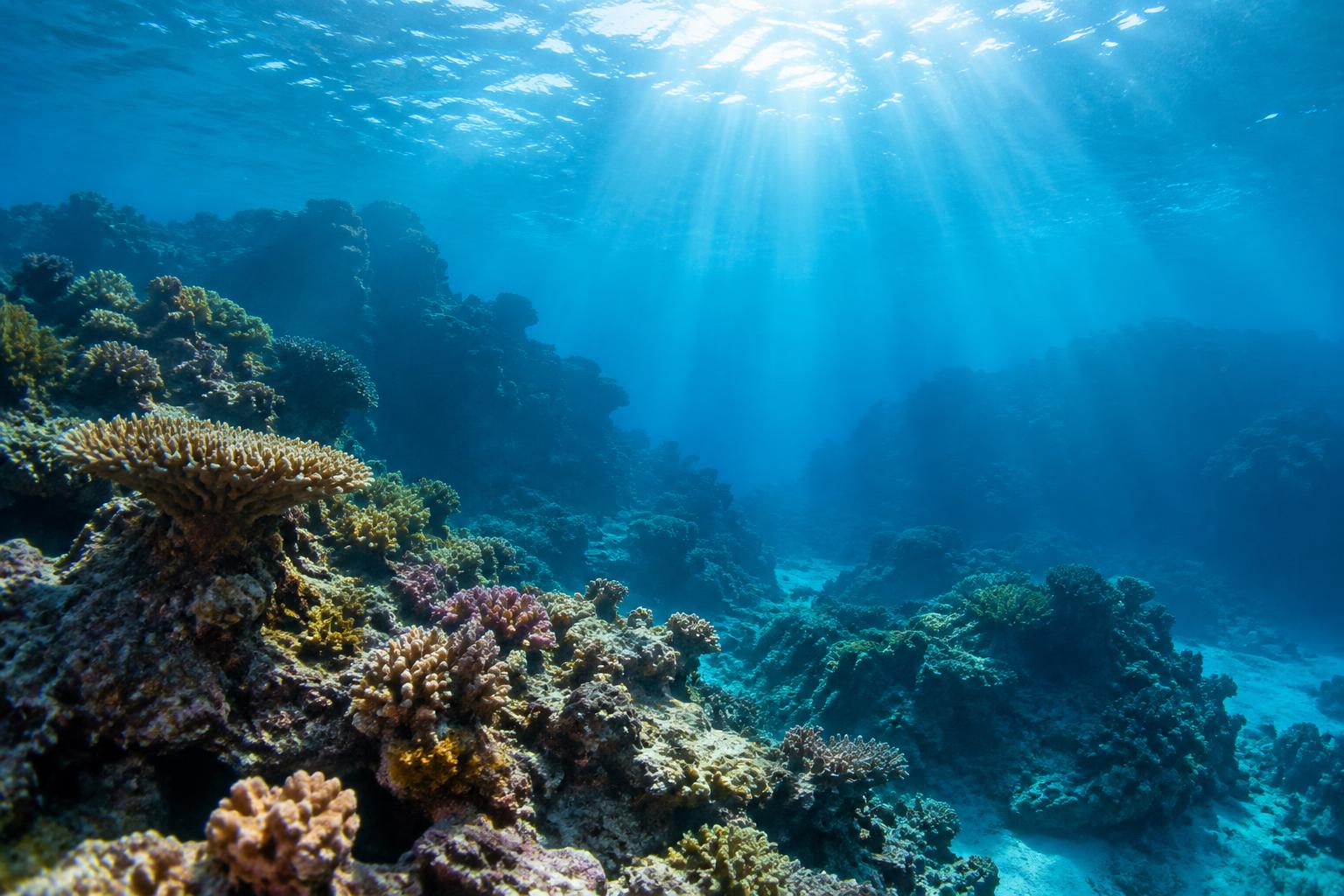
Raja Ampat is a vast archipelago in Southwest Papua, Indonesia, widely regarded as one of the world's most biodiverse marine regions.
DIVE-SEEK field image · destination photo unavailable · awaiting a licensed image
Beneath the surface
Raja Ampat is a vast archipelago in Southwest Papua, Indonesia, widely regarded as one of the world's most biodiverse marine regions. Its diving is defined by extraordinary coral and fish diversity, manta encounters, strong tidal currents, remote reefs and a mix of resort-based and liveaboard exploration. The main diving areas include the Dampier Strait, the Fam Islands and southern Misool.
17Published dive sites
9Documented marine-life links
4Local operators & liveaboards
Raja Ampat (Indonesia) is a dive destination known for Reef manta ray, Oceanic manta ray and Tasselled wobbegong. Water temperature: 27–30 °C across the year. DIVE-SEEK lists 17 dive sites and 4 dive operators here.
Summarised from DIVE-SEEK's recorded catalogue data; omitted values are not yet recorded.
Ask about Raja Ampat
Answers are built only from our cited catalogue records — where data is missing, the assistant says so instead of guessing.
Diving characteristics
Water temperature
27–30 °C
Typical depth
Research in progress
Maximum depth
Research in progress
Visibility
Research in progress
Current
Research in progress
Accessibility
65 /100
Infrastructure
55 /100
Photography
Research in progress
Certification range
Research in progress
Destination research
Research in progress
Not enough verified data yet.
Trust
Checking trust information…
Dive sites
Explore the dive sites of Raja Ampat.
 DIVE-SEEK field image · site photo unavailable
Dampier Strait - An exposed submerged pinnacle between Kri and Waigeo, known for strong current, schooling pelagic fish and possible manta encounters.
DIVE-SEEK field image · site photo unavailableMisool - An iconic Misool reef site where rounded openings in the limestone create the site's famous 'windows'. The site combines shallow reef, wall structure and variable current.
DIVE-SEEK field image · site photo unavailableDampier Strait - One of Raja Ampat's signature reef sites, Cape Kri is a current-influenced ridge at the eastern end of Kri Island, famous for exceptional fish diversity, schooling fish and pelagic encounters.
DIVE-SEEK field image · site photo unavailableSite description is being verified.
DIVE-SEEK field image · site photo unavailableSite description is being verified.
DIVE-SEEK field image · site photo unavailableSite description is being verified.
DIVE-SEEK field image · site photo unavailableDampier Strait - A more current-exposed manta site than Manta Sandy, suited to experienced divers comfortable holding position in moving water.
DIVE-SEEK field image · site photo unavailableDampier Strait - A shallow manta cleaning-station site where divers wait in an established observation position rather than pursuing the animals.
DIVE-SEEK field image · site photo unavailableFam / Penemu - An iconic hard-coral garden formed around shallow pinnacles, known for exceptional coral diversity and abundant reef life.
DIVE-SEEK field image · site photo unavailableDampier Strait - An exposed oval reef patch surrounded by schooling reef fish and predators. Strong and variable current is a defining part of the site.
DIVE-SEEK field image · site photo unavailableSite description is being verified.
DIVE-SEEK field image · site photo unavailableSite description is being verified.
DIVE-SEEK field image · site photo unavailableSite description is being verified.
DIVE-SEEK field image · site photo unavailableSite description is being verified.
DIVE-SEEK field image · site photo unavailableDampier Strait / northern Raja Ampat - A narrow tidal channel characterised by strong water movement, steep reef walls and schooling pelagic fish. This is a current-driven dive for experienced divers.
DIVE-SEEK field image · site photo unavailableSite description is being verified.
DIVE-SEEK field image · site photo unavailableSite description is being verified.
Marine life
 DIVE-SEEK field image · species photo unavailable
seasonal
Mobula alfredi
Oct–Apr
DIVE-SEEK field image · species photo unavailableseasonal
Mobula birostris
Oct–Apr
DIVE-SEEK field image · species photo unavailablecommon
Eucrossorhinus dasypogon
Seasonality research in progress
DIVE-SEEK field image · species photo unavailableoccasional
Hemiscyllium freycineti
Seasonality research in progress
DIVE-SEEK field image · species photo unavailablecommon
Carcharhinus melanopterus
Seasonality research in progress
DIVE-SEEK field image · species photo unavailableoccasional
Carcharhinus amblyrhynchos
Seasonality research in progress
DIVE-SEEK field image · species photo unavailableoccasional
Eretmochelys imbricata
Seasonality research in progress
DIVE-SEEK field image · species photo unavailableoccasional
Hippocampus bargibanti
Seasonality research in progress
DIVE-SEEK field image · species photo unavailableoccasional
Cheilinus undulatus
Seasonality research in progress
Seasonality
Water temperature, visibility, current and rainfall recorded per month rather than reduced to a single 'best time'.
28–30 °C
28–30 °C
28–30 °C
28–30 °C
27–29 °C
27–28 °C
27–28 °C
27–28 °C
27–29 °C
28–29 °C
28–30 °C
28–30 °C
| Month | Water °C | Visibility m | Current | Rainfall | Diving score |
|---|---|---|---|---|---|
| Jan | 28–30 | — | — | — | — |
| Feb | 28–30 | — | — | — | — |
| Mar | 28–30 | — | — | — | — |
| Apr | 28–30 | — | — | — | — |
| May | 27–29 | — | — | — | — |
| Jun | 27–28 | — | — | — | — |
| Jul | 27–28 | — | — | — | — |
| Aug | 27–28 | — | — | — | — |
| Sep | 27–29 | — | — | — | — |
| Oct | 28–29 | — | — | — | — |
| Nov | 28–30 | — | — | — | — |
| Dec | 28–30 | — | — | — | — |
— Not enough verified data yet. Water temperatures are recorded ranges, not a forecast.
Beyond the dive
Dive centers
dive_resort
dive_resort
Established Raja Ampat dive resort on Gam Island with direct access to Dampier Strait sites including Manta Point and Cape Kri.
dive_resort
dive_center
Seasonality
Peak and shoulder periods recorded per aspect, only where a verified season record exists.
conditions
diving
marine life
overall
Provenance
DIVE-SEEK combines destination research, operator information and verified sources.
Sources
8
Supported claims
9
Average confidence
76%
International access is normally via Sorong, followed by transfer to Waisai/resort areas or direct liveaboard embarkation. Internal boat travel is a significant part of the destination experience.
ai researched· confidence 70%View sourceRegional regulations covering the Raja Ampat conservation areas; zone rules differ between areas.
ai researched· confidence 80%View sourceRaja Ampat is managed through a network of marine protected areas with designated zones and rules governing activities such as diving, anchoring and fishing.
ai researched· confidence 85%View sourceScientific rapid assessment documenting exceptional marine biodiversity of the Raja Ampat islands.
ai researched· confidence 85%View sourceOfficial Indonesian tourism description of Raja Ampat as a diving destination.
ai researched· confidence 80%View sourceRaja Ampat Islands — point -0.2333, 130.5167, country Indonesia (ID) read from Wikidata Q15088317 (P625, P17→Q252). Set on staff request 2026-10-10.
verifiedView sourcePeer-reviewed population study of Raja Ampat reef manta rays.
ai researched· confidence 85%View sourceMarine park entry fees/permits apply to visitors and were revised for conservation and community funding.
ai researched· confidence 65%View sourceSecondary operator guide used only for interpreting the broad October-April main season.
ai researched· confidence 60%View sourceAlpha — the DIVE-SEEK catalogue is being researched and verified destination by destination.