Jan
27–28 °C
- Visibility
- —
- Current
- —
- Rainfall
- —
- Diving score
- —
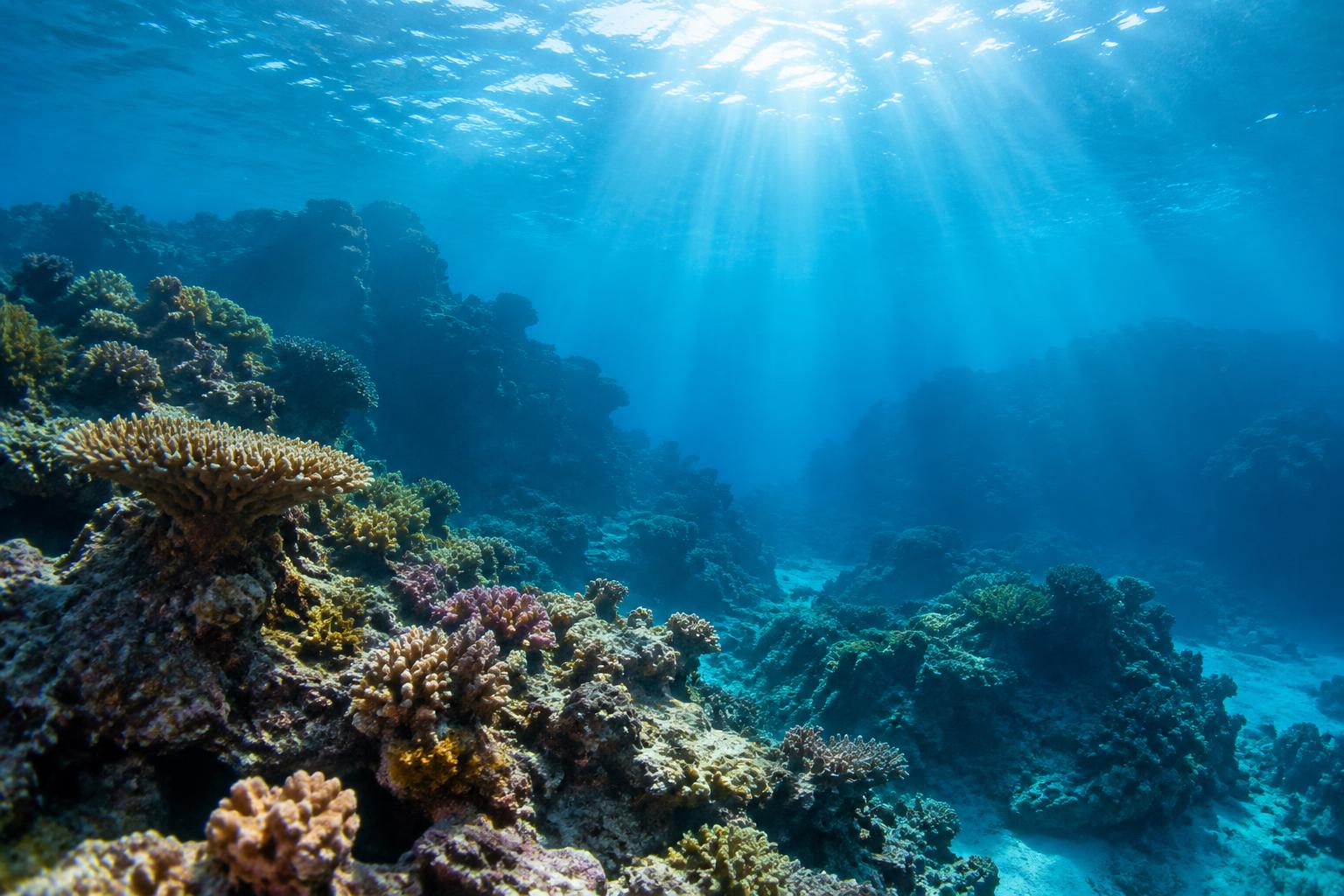 DIVE-SEEK field image · destination photo unavailable
Puntarenas Province · Isla del Coco · Costa Rica
Cocos Island is a remote volcanic island in the eastern Pacific, approximately 550 km southwest of Costa Rica's mainland.
DIVE-SEEK field image · destination photo unavailable · awaiting a licensed image
Beneath the surface
Cocos Island is a remote volcanic island in the eastern Pacific, approximately 550 km southwest of Costa Rica's mainland. Surrounded by protected waters and exceptionally rich pelagic life, it is one of the world's premier expedition diving destinations, famous for schooling scalloped hammerheads, whitetip reef sharks, Galápagos sharks, mantas, rays and other large pelagic animals. Diving is exclusively liveaboard-based and requires a long open-ocean crossing from Costa Rica.
8Published dive sites
13Documented marine-life links
3Local operators & liveaboards
Cocos Island (Costa Rica) is a dive destination known for Scalloped hammerhead, Whitetip reef shark and Galapagos shark. Water temperature: 24–28 °C across the year. DIVE-SEEK lists 8 dive sites and 3 dive operators here.
Summarised from DIVE-SEEK's recorded catalogue data; omitted values are not yet recorded.
Ask about Cocos Island
Answers are built only from our cited catalogue records — where data is missing, the assistant says so instead of guessing.
Diving characteristics
Water temperature
24–28 °C
Typical depth
Research in progress
Maximum depth
Research in progress
Visibility
Research in progress
Current
4 /5
Accessibility
20 /100
Infrastructure
20 /100
Photography
Research in progress
Certification range
4 /5
Destination research
Research in progress
Not enough verified data yet.
Trust
Checking trust information…
Dive sites
Explore the dive sites of Cocos Island.
 DIVE-SEEK field image · site photo unavailable
Cocos Island's iconic offshore seamount and one of the world's best-known scalloped hammerhead sites. The site is exposed to strong current and is normally dived using a line for descent and controlled positioning around the seamount.
DIVE-SEEK field image · site photo unavailableAn exposed pinnacle known for hammerhead cleaning stations, schooling fish, rays and strong pelagic activity. Current can be significant.
DIVE-SEEK field image · site photo unavailableA deep offshore pinnacle/reef site with strong pelagic potential and current exposure. Advanced divers only.
DIVE-SEEK field image · site photo unavailableA channel between Cocos Island and Manuelita with hammerhead cleaning stations and pelagic encounters. Current can become very strong in the centre of the channel.
DIVE-SEEK field image · site photo unavailableA relatively sheltered and shallower dive area around Manuelita Island, useful for acclimatisation and night diving, with reef fish and whitetip reef sharks.
DIVE-SEEK field image · site photo unavailableAn exposed outer reef area with several scalloped hammerhead cleaning stations and opportunities for Galápagos sharks, silky sharks and other pelagic species.
DIVE-SEEK field image · site photo unavailableA submerged seamount with cleaning stations and steep underwater terrain, associated with hammerheads, Galápagos sharks and other pelagic encounters.
DIVE-SEEK field image · site photo unavailableA submerged rock associated with silvertip shark activity and a variety of smaller marine-life subjects, providing a contrast to Cocos' large-pelagic sites.
Marine life
 DIVE-SEEK field image · species photo unavailable
seasonal
Sphyrna lewini
Jun–Nov
DIVE-SEEK field image · species photo unavailablevery common
Triaenodon obesus
Seasonality research in progress
DIVE-SEEK field image · species photo unavailablecommon
Carcharhinus galapagensis
Seasonality research in progress
DIVE-SEEK field image · species photo unavailableseasonal
Galeocerdo cuvier
Seasonality research in progress
DIVE-SEEK field image · species photo unavailableseasonal
Rhincodon typus
Aug–Oct
DIVE-SEEK field image · species photo unavailableoccasional
Mobula birostris
Seasonality research in progress
DIVE-SEEK field image · species photo unavailableoccasional
Aetobatus narinari
Seasonality research in progress
DIVE-SEEK field image · species photo unavailableoccasional
Chelonia mydas
Seasonality research in progress
DIVE-SEEK field image · species photo unavailableEncounter research in progress
Carcharhinus albimarginatus
Seasonality research in progress
DIVE-SEEK field image · species photo unavailableEncounter research in progress
Alopias pelagicus
Seasonality research in progress
DIVE-SEEK field image · species photo unavailableEncounter research in progress
Caranx sexfasciatus
Seasonality research in progress
DIVE-SEEK field image · species photo unavailableEncounter research in progress
Lutjanus kasmira
Seasonality research in progress
DIVE-SEEK field image · species photo unavailableEncounter research in progress
Tursiops truncatus
Seasonality research in progress
Seasonality
Water temperature, visibility, current and rainfall recorded per month rather than reduced to a single 'best time'.
27–28 °C
27–28 °C
27–28 °C
26–28 °C
25–27 °C
24–26 °C
24–26 °C
24–26 °C
24–26 °C
24–26 °C
25–27 °C
26–28 °C
| Month | Water °C | Visibility m | Current | Rainfall | Diving score |
|---|---|---|---|---|---|
| Jan | 27–28 | — | — | — | — |
| Feb | 27–28 | — | — | — | — |
| Mar | 27–28 | — | — | — | — |
| Apr | 26–28 | — | — | — | — |
| May | 25–27 | — | — | — | — |
| Jun | 24–26 | — | — | — | — |
| Jul | 24–26 | — | — | — | — |
| Aug | 24–26 | — | — | — | — |
| Sep | 24–26 | — | — | — | — |
| Oct | 24–26 | — | — | — | — |
| Nov | 25–27 | — | — | — | — |
| Dec | 26–28 | — | — | — | — |
— Not enough verified data yet. Water temperatures are recorded ranges, not a forecast.
Beyond the dive
Dive centers
liveaboard
Liveaboard vessel running multi-day Cocos Island expeditions from Puntarenas.
liveaboard
Liveaboard operated by the Undersea Hunter Group for Cocos Island expeditions.
liveaboard
Liveaboard operated by the Undersea Hunter Group for Cocos Island expeditions.
Seasonality
Peak and shoulder periods recorded per aspect, only where a verified season record exists.
conditions
diving
encounter
marine life
Provenance
DIVE-SEEK combines destination research, operator information and verified sources.
Sources
8
Supported claims
9
Average confidence
77%
Cocos Island is accessible to visiting divers only by liveaboard. The crossing from Puntarenas is approximately 30–36 hours and most itineraries are multi-day expeditions.
ai researched· confidence 80%View sourceOperator FAQ confirming the multi-day liveaboard crossing from Puntarenas.
ai researched· confidence 75%View sourceCocos Island is protected within Costa Rica's marine conservation and national park system. Access and diving are regulated by the relevant park authorities and require compliance with current entry and public-use rules.
ai researched· confidence 85%View sourceStrong and variable currents are a defining characteristic of Cocos Island diving.
ai researched· confidence 70%View sourceCocos Island is a remote eastern Pacific island of outstanding marine value, roughly 550 km offshore from Costa Rica.
ai researched· confidence 85%View sourceNo land-based dive infrastructure; visiting divers are hosted aboard liveaboard vessels.
ai researched· confidence 75%View sourceSeasonal patterns of scalloped hammerhead presence around Cocos Island seamounts.
ai researched· confidence 80%View sourceBroad seasonal surface-water temperature ranges for Cocos Island.
ai researched· confidence 65%View sourceAlpha — the DIVE-SEEK catalogue is being researched and verified destination by destination.